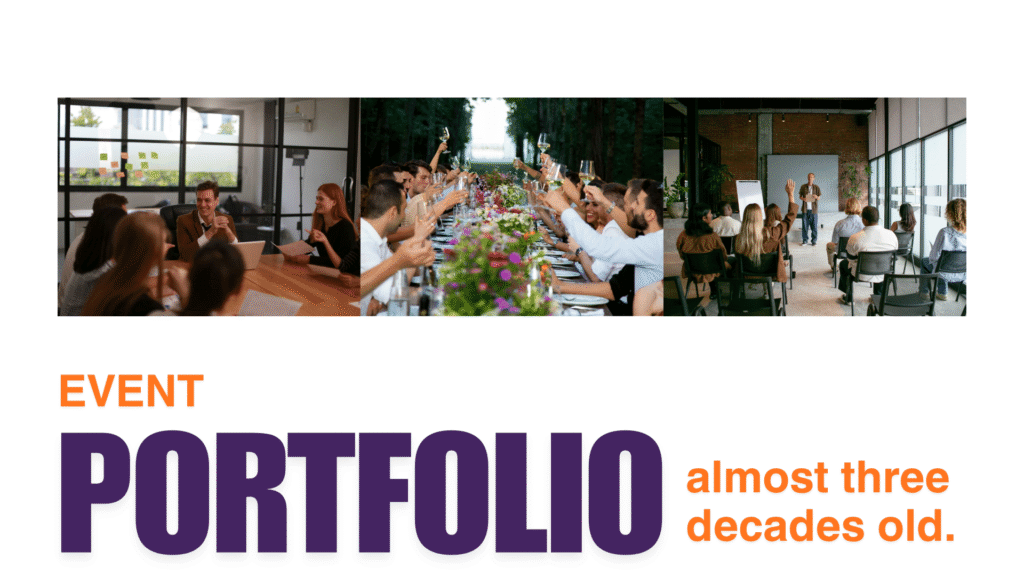
Researchers were writing about it in the 1990s. Donald Getz set out the first explicit event-portfolio model in 1997, built on a simple principle borrowed from investing: you manage the whole set for balanced value and return, not each item in isolation. A 2020 review by Ziakas and Getz went further, describing event portfolio management as an established field of theory and practice.
Here is the catch. That thinking grew up in destination and tourism management: cities and regions managing a calendar of events to build reputation, visitation and long-term value.
B2B technology has barely caught up.
Most tech companies still run an event calendar, not an event portfolio:
- March, industry conference.
- May, customer event.
- September, flagship conference.
- November, executive dinner.
Each one planned as a separate campaign. Different team, different objective, different follow-up. Then everyone moves on to the next.
The portfolio question is different: what role does each event play in the buyer’s journey with us?
That single shift changes everything.
12 events stop being 12 campaigns. They become one connected engagement strategy.
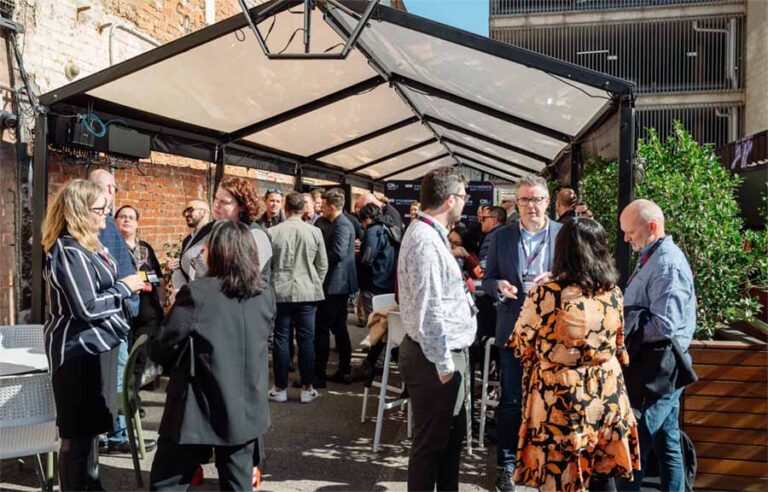
In a portfolio, your flagship event does not have to do everything. It becomes the hub, creating awareness and authority. Then the smaller formats do the specialised work:
- A vertical breakfast creates relevance.
- An executive roundtable creates trust.
- A hands-on workshop creates engagement.
- A customer event creates advocacy.
And the events feed each other.
Your flagship summit surfaces the accounts that belong at the roundtable. The roundtable surfaces the opportunities that belong in the workshop. The customer you win this year becomes the speaker who fills the room next year.
You stop asking “how many people came?”
You start asking “where is each account in its relationship with us, and what experience moves it forward?”
That is the real unlock. A portfolio is not built around events. It is built around the people and accounts you need to influence, and enterprise buying cycles are far too long for any one event to carry the whole relationship.
At BCS, this is how we think: not isolated productions, but a connected portfolio designed to move audiences from awareness to relationship, and from customer to advocate.
The future of B2B events is not more events. It is better connected ones.
Is your next series of events listed as a calendar, or a portfolio?