Categories
News

Event portfolio thinking is not a recent trend. It is almost three decades old.

Researchers were writing about it in the 1990s. Donald Getz set out the first explicit event-portfolio model in 1997, built on a simple principle borrowed from investing: you manage the whole set for balanced value and return, not each item in isolation. A 2020 review by Ziakas and Getz went further, describing event portfolio management as an established field of theory and practice.

Here is the catch. That thinking grew up in destination and tourism management: cities and regions managing a calendar of events to build reputation, visitation and long-term value.

B2B technology has barely caught up.

Most tech companies still run an event calendar, not an event portfolio:

  • March, industry conference.
  • May, customer event.
  • September, flagship conference.
  • November, executive dinner.

Each one planned as a separate campaign. Different team, different objective, different follow-up. Then everyone moves on to the next.

The portfolio question is different: what role does each event play in the buyer’s journey with us?

That single shift changes everything.

12 events stop being 12 campaigns. They become one connected engagement strategy.

In a portfolio, your flagship event does not have to do everything. It becomes the hub, creating awareness and authority. Then the smaller formats do the specialised work:

  • A vertical breakfast creates relevance.
  • An executive roundtable creates trust.
  • A hands-on workshop creates engagement.
  • A customer event creates advocacy.

And the events feed each other.

Your flagship summit surfaces the accounts that belong at the roundtable. The roundtable surfaces the opportunities that belong in the workshop. The customer you win this year becomes the speaker who fills the room next year.

You stop asking “how many people came?”

You start asking “where is each account in its relationship with us, and what experience moves it forward?”

That is the real unlock. A portfolio is not built around events. It is built around the people and accounts you need to influence, and enterprise buying cycles are far too long for any one event to carry the whole relationship.

At BCS, this is how we think: not isolated productions, but a connected portfolio designed to move audiences from awareness to relationship, and from customer to advocate.

The future of B2B events is not more events. It is better connected ones.

Is your next series of events listed as a calendar, or a portfolio?

Add Your Heading Text Here

Categories
News

Why We Read the Client Back Before We Pitch

The most persuasive document you can send a new client is not a proposal. It is a single page that tells them what they just told you.

We call it a reverse brief, and it is the first thing we produce whenever a new opportunity lands. Not a capability deck, not a rough quote, not a list of ideas. A reverse brief. It sounds almost too simple to matter, and it is the reason a first conversation so often turns into a real engagement.

Here is what it is, why it works, and how to write one that earns trust rather than just filling a template.

What a reverse brief actually is

A normal brief travels one way: the client tells the agency what they want. A reverse brief sends it back. You take everything you heard in that first call, distil it, and play it back to the client in their own language: their objectives, their audience, the scope, the constraints, and what success looks like.

The goal is a single reaction from the person reading it: “Yes. They get us.”

That reaction is worth more than any amount of polish, because it is the moment a prospect stops wondering whether you understood the problem and starts imagining you solving it. You have not pitched anything yet. You have simply proven you were listening, which is rarer than it should be.

Why bother, when you could just start pitching?

Because the alternative is expensive. When you skip straight to a proposal, you are betting real time and money on a set of assumptions you have never checked. If even one of them is wrong (the budget, the audience, the actual objective) you find out late, after the work is done, when it is awkward and costly to fix.

A reverse brief surfaces those gaps early, while they are cheap to close. It does three things at once:

  • It confirms alignment before anyone commits to scope or spend.
  • It flushes out the unknowns, the questions neither side realised were open.
  • It sets the terms of the relationship, showing the client you work from evidence and shared understanding, not guesswork.

There is a commercial edge here too. A reverse brief is genuinely useful to the client even if they never hire you. That generosity is disarming, and it tends to be repaid.

What goes into it

A good reverse brief is short. One page, ideally. If it runs longer, you are probably including your thinking rather than their intent, which is a different document. The core sections we use:

  • Where you are. A crisp read of the client’s current situation and the opportunity in front of them.
  • What you want to achieve. Their objective, stated as an outcome, not a list of tactics.
  • Who we need to reach. The audience, as specifically as you can name it.
  • Scope. What the engagement covers, and just as importantly, what it does not.
  • What success looks like. How this will be judged, agreed openly rather than assumed.
  • Timing. The real dates and dependencies.
  • To confirm together. The honest list of things you do not yet know.

That last section is the one most agencies leave off, and it is the most valuable of all.

The discipline that separates good from generic: do not fill the gaps

When you write a reverse brief, you will hit things you were not told. The budget never came up. The success measures are vague. You are not sure who holds sign-off.

The temptation is to quietly paper over these, to write a document that reads as complete because a complete document feels more impressive. Resist it. Inventing detail to look polished is how you end up confidently wrong in front of a new client.

The stronger move is to name the gap plainly. A short “to confirm together” section, budget, success measures, decision-making, does not read as ignorance. It reads as rigour. It tells the client you distinguish between what you know and what you are assuming, which is exactly the quality they want in whoever they trust with their money.

Separate fact from inference everywhere. If something is your read rather than their words, mark it as such and invite the correction. You will look sharper for it, not weaker.

Keep your own thinking out of the client’s copy

Here is a distinction that matters enormously and is easy to blur: a reverse brief is not the place for your internal strategy.

In almost every new engagement, you will form private views. Perhaps the client’s expectations look optimistic. Perhaps their preferred approach is not the one you would recommend. Perhaps you can already see where the budget will be tight. Those thoughts are valuable, and they belong in an internal document, not in the copy you send the client.

The reverse brief plays back their intent. Your assessment of that intent is a separate conversation, handled with care and usually managed through how you later frame the work rather than through blunt confrontation. Blur the two and you either offend the client or reveal your hand too early. Keep them apart and you protect both the relationship and your position.

At Best Case Scenario, it is how we begin every engagement, because getting the brief right is most of the battle. If you are weighing up an event or market-entry project and want a partner who starts by understanding it properly, we would be glad to talk.

Add Your Heading Text Here

Categories
News

WEConnect Certified: B2B Event Support From a Team That Delivers

Best Case Scenario is now certified by WEConnect International as a Women’s Business Enterprise (WBE).

For the organisations we partner with, that is more than a badge. It is your assurance that behind every event sits a team that delivers. When you are choosing B2B event support, you are really choosing who to trust with your reputation on the day. This certification is the seal of approval that tells you the answer.

Here is what it means, and what “a team that delivers” actually looks like in practice.

The seal of approval behind your event

WEConnect International certification independently verifies that BCS is at least 51% owned, managed and controlled by women. It is a globally recognised credential, not a self-declared one.

For your organisation, that matters in two ways.

  • It meets supplier diversity commitments. If your procurement team carries diversity targets, BCS is now a verified route to meeting them.
  • It is a consistent, trusted standard. The certification is recognised globally, so it holds up wherever your business reports.

The credential sits on top of the work, not in place of it. You tick the compliance box and you gain an event partner who takes the pressure off your team. That combination is rare, and it is exactly the point.

Why this matters when you are a lean team

Many B2B marketers run events solo. You are the strategist, the project manager and the person chasing the caterer at 6am on the day.

That is not a capability gap. It is a structural one. The industry expects a single person to deliver what a full production crew would normally handle.

A certified, women-owned partner changes that equation. You get an accountable, verified team absorbing the operational load, so you can focus on strategy, guests and outcomes. You look like you have a team of ten behind you, because for the length of your event, you do.

What B2B event support actually means

B2B event support is more than booking a venue and printing name badges. It is the full production layer that makes an executive event feel effortless to attend and unforgettable to experience.

Done well, it covers:

  • Format and programme design, from breakfasts and roadshows to summits, conferences and awards
  • Production and staging, including AV, lighting, run sheets and speaker management
  • On-the-day delivery, so the moving parts stay invisible to your guests
  • Experience design, the details that earn attention, loyalty and organic sharing

Most marketing teams can manage one or two of these. Carrying all of them, on top of a day job, is where the pressure builds. The right partner carries them for you.

Proof it works: our success stories

Delivery is the point, so here is the evidence.

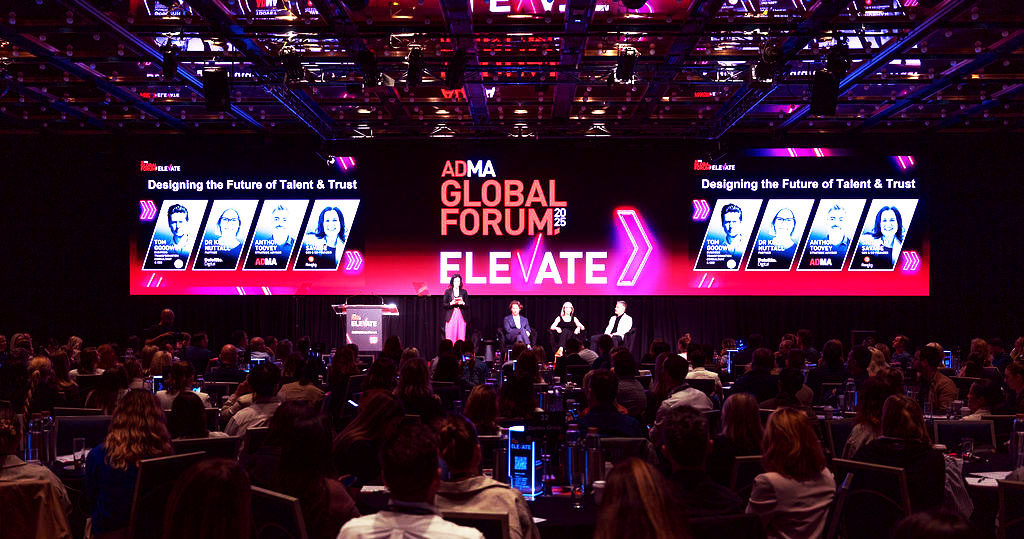
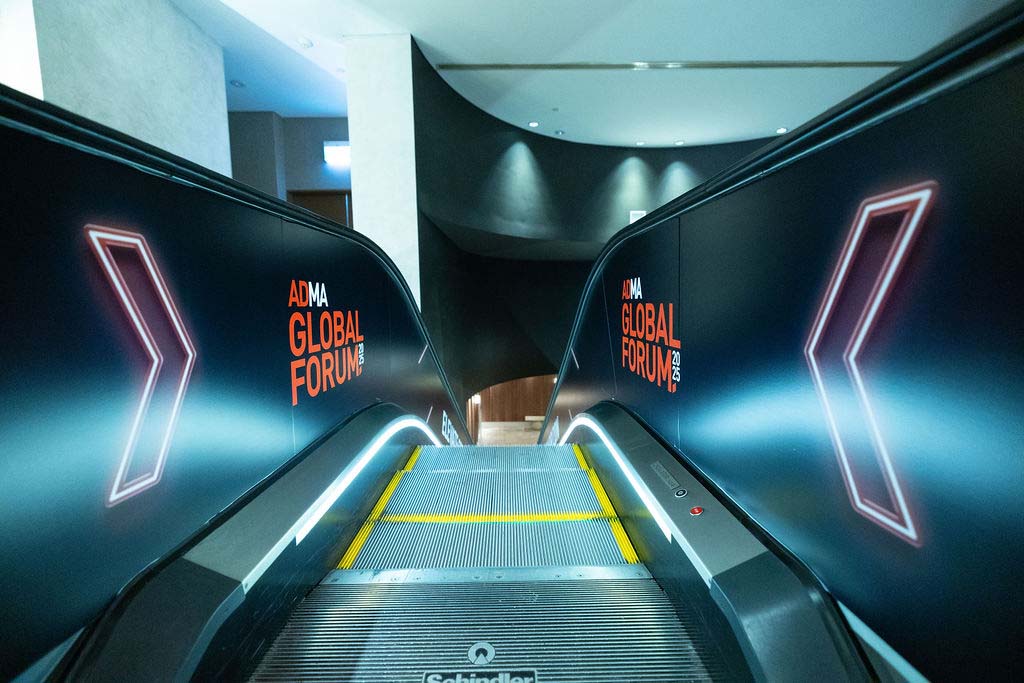
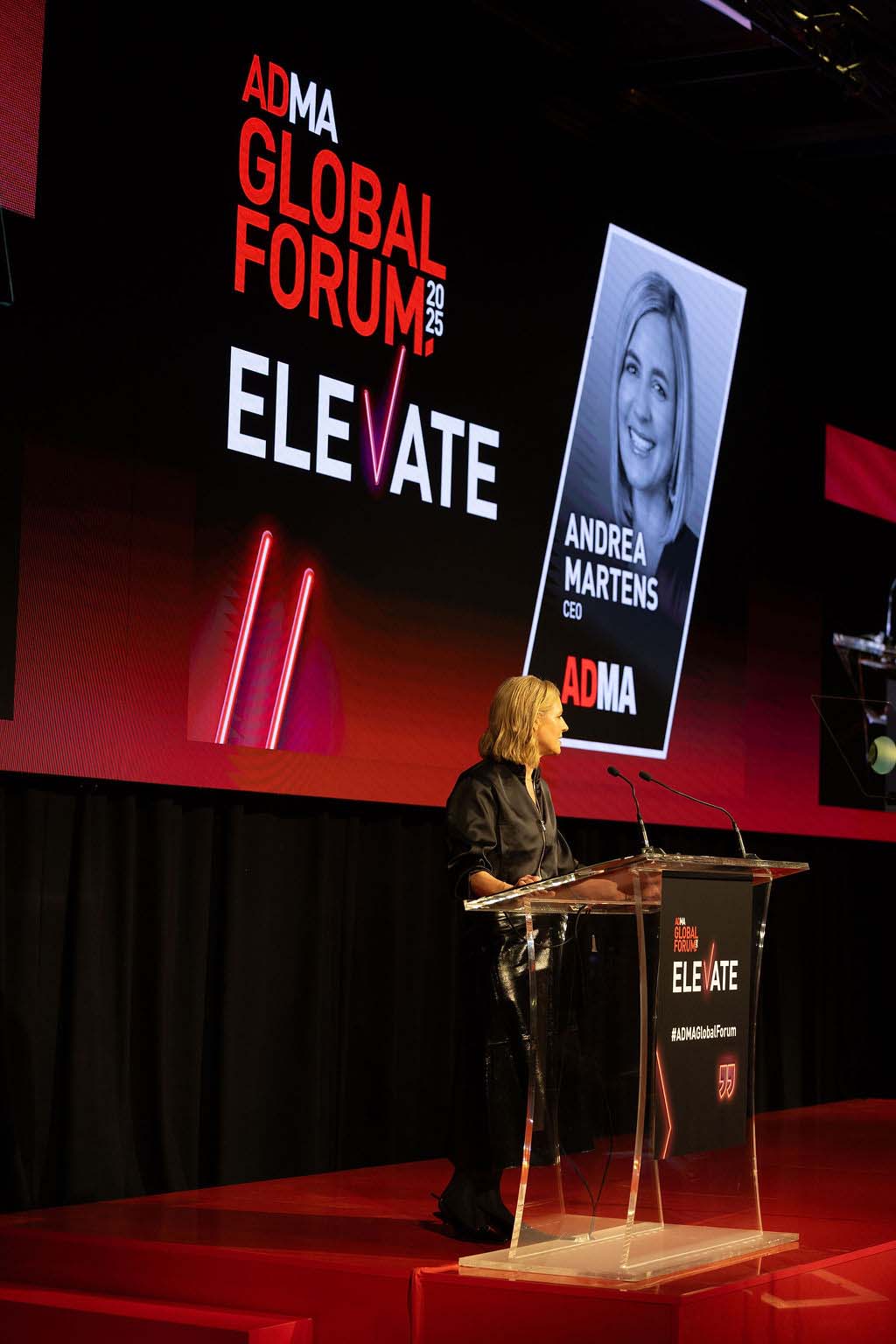
At the ADMA Global Forum 2025, we ran a large-scale summit with more than 1,000 delegates, 17 speakers and 11 service areas, with zero operational issues. Scale did not compromise the experience. It sharpened it.

We also delivered the Australian launch of Info-Tech Live, bringing an international event series to a new market for the first time. Launches carry risk, and a smooth debut sets the tone for everything that follows.

Beyond the large formats, we run intimate executive events for teams at Elastic, VMware and Microsoft. The scale changes. The standard does not.

One line from keynote speaker Tom Goodwin captures what we aim for every time:

“In all my speaking everywhere, your team was the best and most calm, just brilliant all of them.”

Calm is not an accident. It is what happens when the production is planned properly and nothing is left to chance.

What working with us looks like

Great B2B event support should feel like a weight lifting off your shoulders. Here is how we work:

  1. We start with your outcome, not a package. What does success look like for this event?
  2. We design the format around that goal, whether it is an intimate roundtable or a multi-speaker summit.
  3. We handle the production end to end, so the detail stays with us and the credit stays with you.
  4. We deliver on the day, calmly, with the run sheet handled and the surprises absorbed.

The result is production and experience that earns attention, loyalty and organic sharing, the outcomes that make an event worth the investment.

Get a second opinion on your next event

If your organisation has supplier diversity goals, or you simply want an event partner who takes the pressure off a lean marketing team, we would love to talk.

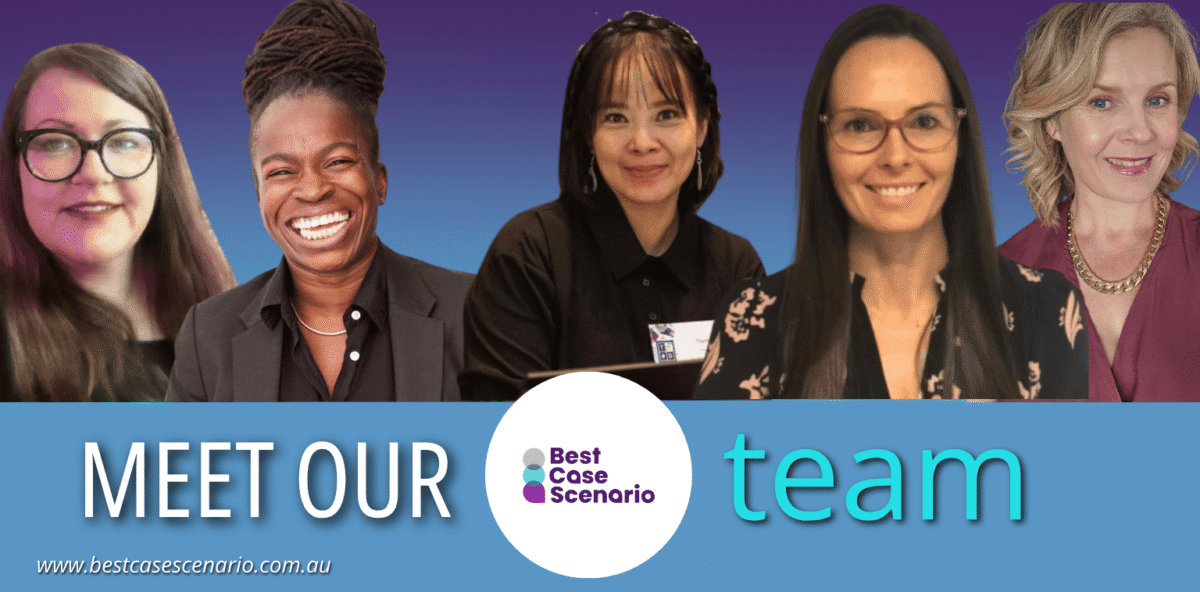
Get a second opinion on your next event, and meet some of the team waiting to hear from you.

Categories
News

Turn Intimate Events Into Your Next ABM Play

It started with one question from one stretched marketer. She was the only marketing person in her business, and she came to us with a simple ask: scope some event options that actually get results, and that I can build into an ABM campaign.

We created a set of flexible B2B event packages,  clear formats, clear costings, and plenty of room to shape each one around your plan.

It started with one lone marketer

If you are the only person holding marketing in your business, you already know the bind. You are expected to run events that move pipeline. You also have to budget them, justify them, and deliver them, often on top of everything else.

The marketer who came to us did not want a vague proposal. She wanted real options she could cost, approve and slot into a wider account-based campaign. So we built exactly that.

We turned our most-requested formats into repeatable packages with honest pricing. Not rigid products, but a clear starting point you can adjust. The guesswork comes out, and the planning gets faster.

What is inside this download

The deck covers four intimate event formats, each designed to be run by a lean team without adding to the load. You get two guest sizes per format and clear costings in AUD, with no surprises bolted on at the end.

  • Executive breakfasts: small rooms, senior guests, real conversations
  • Roadshow series: one consistent experience across multiple cities
  • Structured networking: curated introductions, not a crowded room
  • Limited-capacity workshops: focused sessions that earn their seats

Every package lists what is included, so you can see what you are paying for and why. That makes the internal budget conversation far easier, because you walk in with a figure instead of a guess.

Built to slot into your ABM campaign

Intimate events and account-based marketing belong together. When your target list is a set of named accounts, you do not need a room of five hundred strangers. You need the right twenty people in one place.

That is where these B2B event packages earn their keep. An executive breakfast can get decision-makers from your priority accounts around one table. A roadshow can carry the same focused experience into each of their cities.

Use the deck as a building block. Cost a format, map it to a campaign stage, and run it as one of several touchpoints across your named accounts. The pricing is set up to make that planning quick rather than open-ended.

Flexible by design, so you choose what we run

These are flexible packages, not fixed bundles. The most important flexibility is how much of the work you hand over.

Perhaps you do not want us managing the content side. Perfect. You know your audience and your message better than anyone, so you keep that. We focus on the operations: venues, run sheets, AV, logistics, and an accountable team on the ground before and throughout.

The split is simple. You lead on strategy and content. We make sure the event itself performs on the day. Nobody on your team ends up running the floor and the follow-up at the same time, and the investment actually pays off.

Get the pricing deck

If you are scoping events for this year or next, start with the numbers. Request the pricing deck and we will send it straight through, with the formats, inclusions and costings laid out clearly.

There is no pressure and no pitch attached, just the detail you need to plan with confidence and build events into your next ABM campaign.

Fill in the form below to request a copy. 

Categories
News

Stop Blasting, Start Profiling: Why B2B Event Delegate Acquisition Needs an Overhaul

By Jen Murray 

If you’ve spent any time in B2B events particularly in the technology space you’ll know the uncomfortable truth nobody likes to say out loud: most delegate acquisition strategies are still built around volume, not precision. Spray the database. Boost the post. Hope the right people show up.

The real problem isn’t reach. It’s relevance.

Here’s what we see repeatedly across the Australian technology events landscape. An organiser secures a strong agenda. The speakers are credible. The venue is sorted. Then delegate acquisition becomes an afterthought, a bulk email campaign fired off six weeks before the event, maybe some paid social, and a prayer that registrations hit target.

The result? You fill a room, but half the attendees aren’t the decision-makers your sponsors expected. Your speakers are presenting to people who can’t act on what they’re hearing. And when the post-event survey comes back lukewarm, everyone blames the content, when the real issue was who was sitting in the audience.

Getting delegate acquisition right means doing the hard work before you open registrations. It means understanding not just who you want in the room, but how those people make decisions, what language resonates with them, and what will actually compel them to block out a day in their calendar.

LinkedIn is not a billboard. Treat it like an ABM engine.

Most event marketers use LinkedIn the way they use every other channel: broadcast mode. Post the event page. Run some Event Ads. Tag the speakers. Move on.

But LinkedIn, particularly when you combine organic activity with Sales Navigator is far more powerful as an account-based marketing and delegate-recruitment engine than most teams realise.

Here’s what that looks like in practice. Start by building your ideal delegate list. Not a persona document that sits in a shared drive, an actual list of specific people at specific organisations who would make your event meaningfully better if they attended. For a technology event targeting enterprise buyers, this might be 200 CIOs, CTOs and heads of digital across your target verticals.

Then work backwards. What are those people engaging with on LinkedIn right now? What are their organisations publicly prioritising? Who in your team’s network has a warm connection? Before you spend a dollar on paid promotion, you should be running a coordinated outreach campaign that feels personal, because it is personal.

Sales Navigator’s account and lead lists make this manageable at scale. You can filter by seniority, function, company size and geography, then track engagement signals to prioritise who to approach first. Layer in your team’s existing connections and you’ve got a recruitment pipeline, not just a marketing campaign.

The key shift is treating each high-value delegate as you would a sales prospect. Personalised connection requests. Thoughtful comments on their content. Direct messages that reference something specific about their work, not a generic “we’d love to see you at our event.” It takes more effort, but the conversion rates and the quality of the room you build are incomparable.

A research tool that actually delivers: Wizer’s Wize Snaps

We’ve been testing a number of tools over the past few months to sharpen our own research and outreach, and one has genuinely stood out: Wizer’s “Wize Snaps” feature.

Wize Snaps sits within Wizer Business and is designed for rapid decision profiling and research. In roughly 60 seconds, it can generate an instant profile from existing data, a LinkedIn bio, or other available inputs, and build a decision-style snapshot of that person. Is this delegate outcomes-focused or risk-averse? Do they respond better to data-driven messaging or narrative-led communication? Are they likely to prioritise innovation themes or operational efficiency?

That’s useful enough on its own. But where it gets genuinely practical for marketing is the message optimisation capability. You can feed in your event copy and Wize Snaps will analyse how it’s likely to land with a specific audience profile, then rewrite it to match their decision style. For anyone who’s ever wondered why the same event invite gets wildly different response rates across segments, this is the kind of insight that actually explains it.

The case study that caught our attention was Wizer’s work with ANU, where their snap-based approach generated over 2,300 responses for an awards programme. That’s meaningful scale achieved through smart research design rather than brute-force promotion, which aligns closely with how we think about delegate acquisition.

Bringing it together: research-led, not spray-and-pray

None of this is revolutionary in isolation. Account-based approaches have been standard in B2B sales for years. Profiling and personalisation are marketing fundamentals. LinkedIn outreach is hardly a secret weapon.

But in the events industry, particularly in Australia, there’s a persistent gap between how sophisticated our content and production capabilities have become and how unsophisticated our delegate acquisition often remains. We’re building world-class programmes and then promoting them like it’s 2015.

The combination we’re advocating is straightforward. Use tools like Wize Snaps to do genuine pre-event research on your target delegates, understand how they think, what motivates them, and what language will cut through. Feed those insights into a LinkedIn-led ABM strategy where every touchpoint is personalised and intentional. Treat delegate acquisition as a strategic function, not an operational checkbox.

The events that consistently deliver, the ones where sponsors renew, speakers want to come back, and delegates leave feeling their time was genuinely well spent, are invariably the ones where someone did the hard work of curating the right room. Not the biggest room. The right room.

Ready For Us to Shape Your Next B2B Event?

For business leaders and associations seeking an event management partner who understands the intersection of technology, innovation, and marketing leadership, Best Case Scenario delivers the strategic collaboration and operational excellence required for truly transformative industry gatherings.

Contact us today to discuss how we can help bring your industry transformation vision to life.

BCS 2025 Event Services

Unlock Tailored Event Solutions for 2025

Planning your events for 2025? At Best Case Scenario, we understand that each event is unique, and we’re here to help you bring your vision to life. Our A La Carte Event Services offer flexible, customised solutions that align perfectly with your goals, whether it’s brand awareness, or client engagement.

Categories
News

What AI Governance Can Teach the Events Industry

By Luli Adeyemo. 

I recently came across research that made me think differently about the Australian events industry. Not in a critical way, in a curious way.

The data shows 91% (source –MICE.net.au)  of venues aren’t using AI to manage event inquiries, and 53% of corporate event planners aren’t using AI in their planning workflows.  They’re navigating fragmented tools, unclear integration, and uncertain where to start.

As someone who spends a lot of time thinking about how organisations make strategic decisions about AI, I found myself asking: What if we looked at this through a different lens?

The Governance Question

In my work on AI across sectors, I focus on a simple question: How do organisations make decisions about the technology that shapes their operations?

It’s not really a technology question. It’s a governance question. And it applies everywhere, including events.

When I look at the events industry’s relationship with AI, I see an opportunity to ask that same question differently. Not “Why aren’t venues using AI?” but “How should the events industry be thinking about AI integration?”

The research shows planners are managing multiple disconnected tools. They’re spending five-plus hours on manual booking processes. They see AI’s potential but feel overwhelmed by fragmentation. What’s interesting is that this isn’t a problem unique to events. It’s a pattern I see across sectors: organisations adopting tools without a clear strategic framework for how those tools work together.

Translation, Not Prescription

At Best Case Scenario, we’ve spent 30+ years bringing the right people together to have meaningful conversations. I’ve watched industries grapple with technology adoption across government, healthcare, finance, and now tech itself. What I’ve learned is that the most successful transitions happen when organisations think strategically about integration, training, and governance, before the tools are deployed.

The events industry is at an interesting inflection point. Corporate events are shifting to more frequent, smaller gatherings with shorter lead times. Planners are under real pressure to work smarter. And AI tools that could help both with the mechanical work and the strategic thinking are available.

But “available” and “strategically integrated” are two different things.

What This Looks Like in Practice

Strategic thinking about AI in events might sound like:

Starting with the actual workflow. Planners spend time searching for venues, managing communications, coordinating logistics. Where does AI genuinely ease friction? Where does it create more work? Those answers are different for every organisation.

Integration as a first principle. Instead of adopting individual tools, thinking about how data flows between systems. How inquiry management connects to analytics, to attendee experience, to future planning.

Training as investment. Planners want to use AI well. They’re asking for guidance, frameworks, clarity. That’s not resistance—it’s maturity. Investment in training isn’t a cost; it’s how you unlock the actual value of the tools you’re adopting.

Governance that’s clear. Who decides which tools get adopted? On what basis? Who measures whether they’re working? These questions sound formal, but they’re actually just good business practice.

None of this is new thinking. It’s how mature organisations approach any significant operational change. But it’s rarely applied intentionally to AI adoption in events.

Why This Matters

The events industry has always been about bringing the right people together to have meaningful conversations. That’s literally what we do at Best Case Scenario. The irony is that as AI tools become available to help with the mechanics of event planning, the industry still needs what it’s always needed: thoughtful strategy, integration, and clarity about how technology serves the actual goal.

The research showing low AI adoption in events isn’t a deficit. It’s an opportunity. It’s a moment to think clearly about what AI integration should actually look like, rather than simply adopting because adoption is expected.

Ready For Us to Shape Your Next B2B Event?

For business leaders and associations seeking an event management partner who understands the intersection of technology, innovation, and marketing leadership, Best Case Scenario delivers the strategic collaboration and operational excellence required for truly transformative industry gatherings.

Contact us today to discuss how we can help bring your industry transformation vision to life.

BCS 2025 Event Services

Unlock Tailored Event Solutions for 2025

Planning your events for 2025? At Best Case Scenario, we understand that each event is unique, and we’re here to help you bring your vision to life. Our A La Carte Event Services offer flexible, customised solutions that align perfectly with your goals, whether it’s brand awareness, or client engagement.

Categories
News

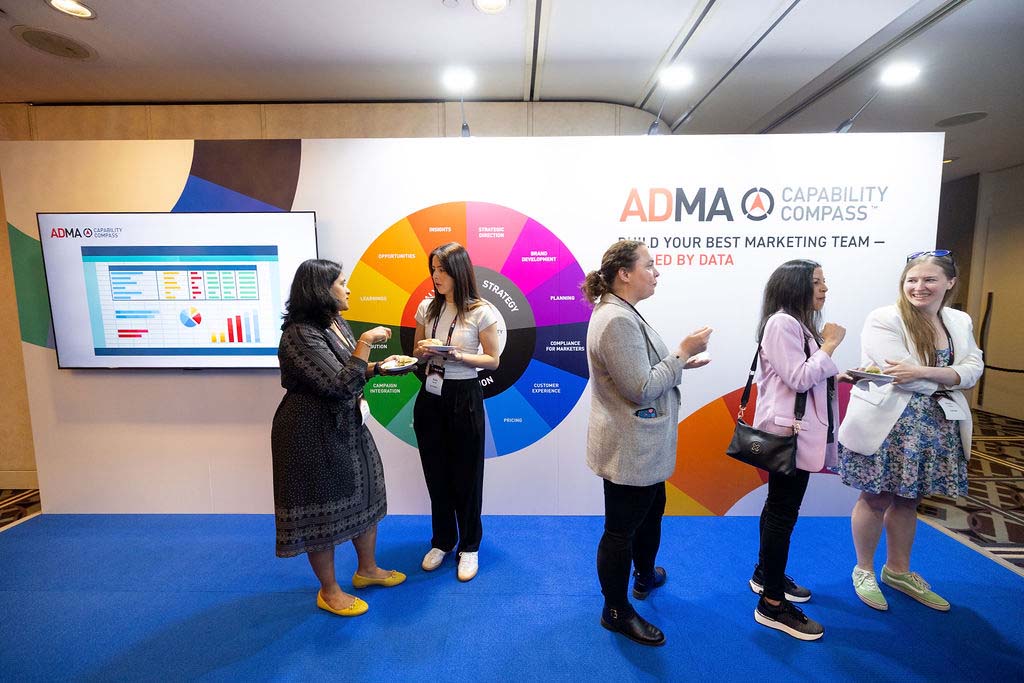
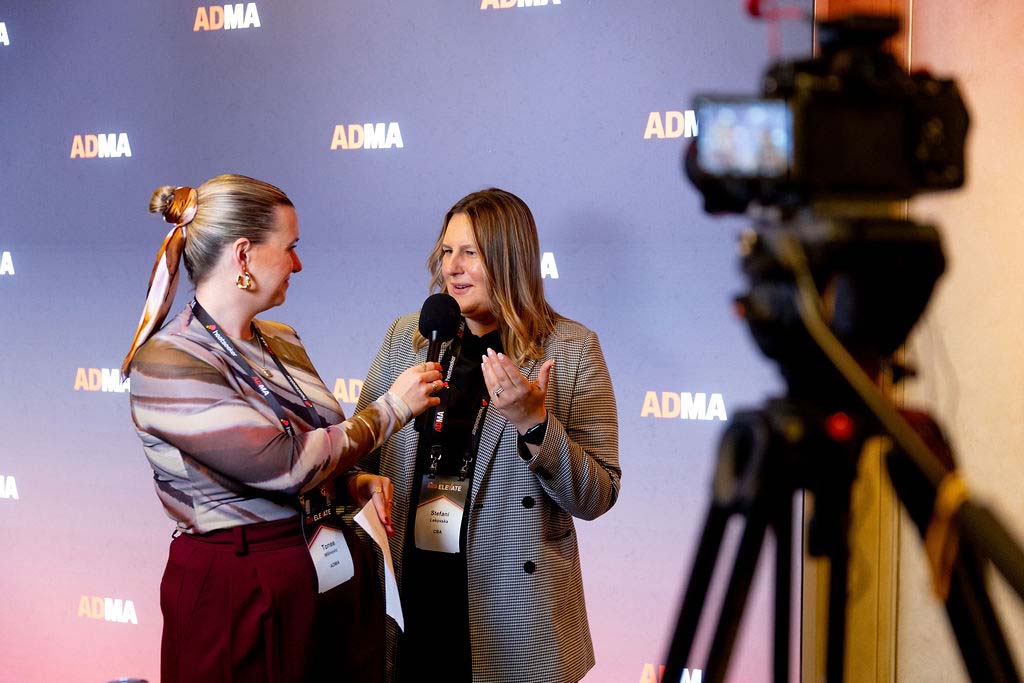
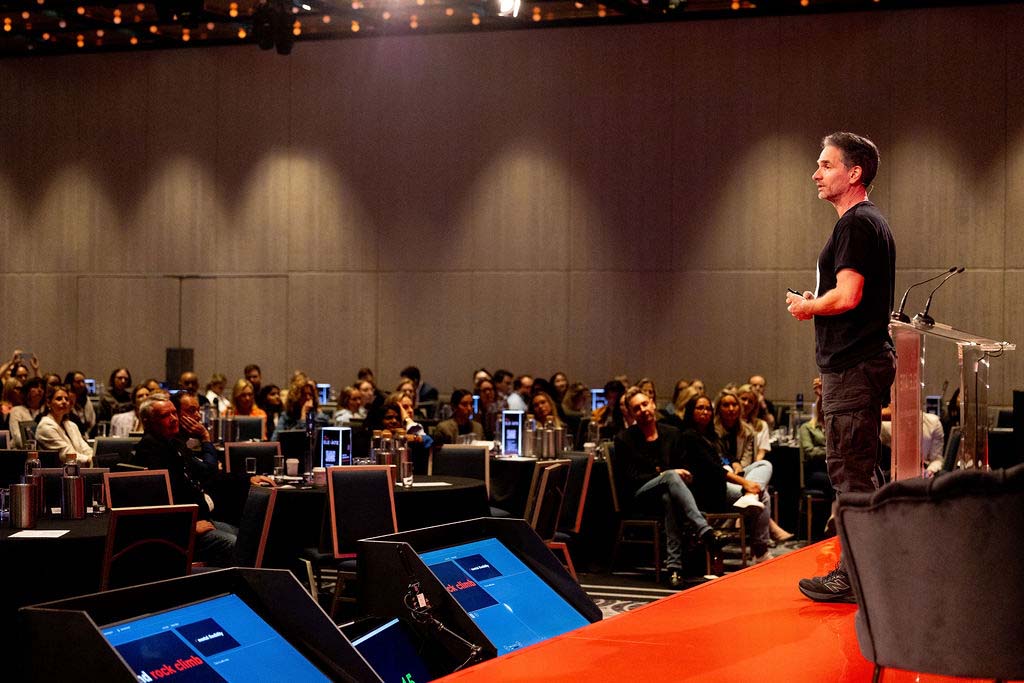
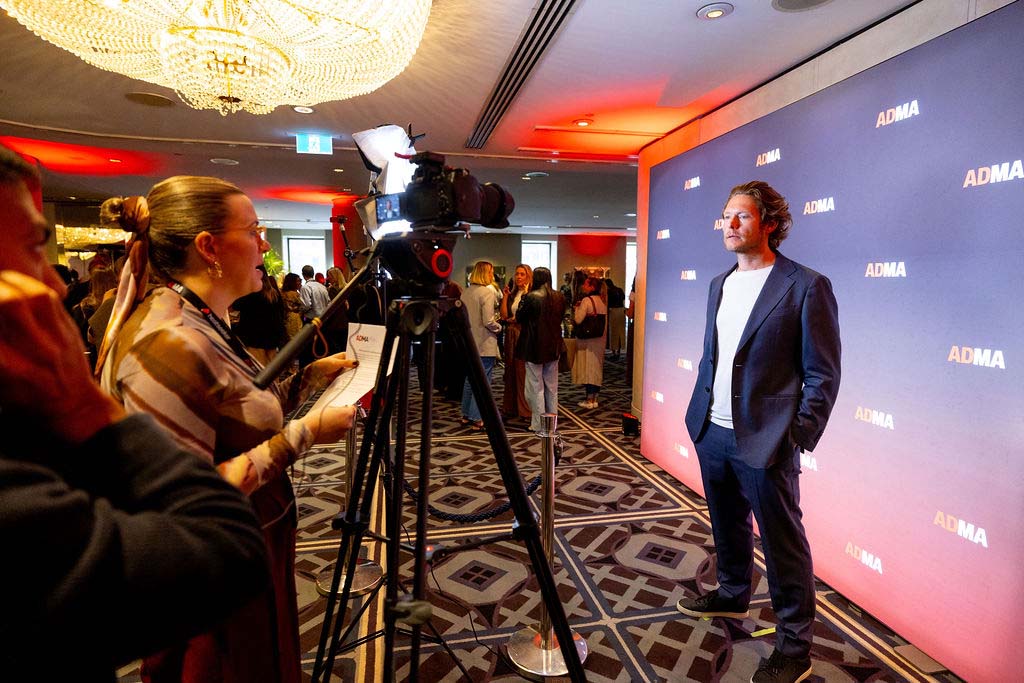
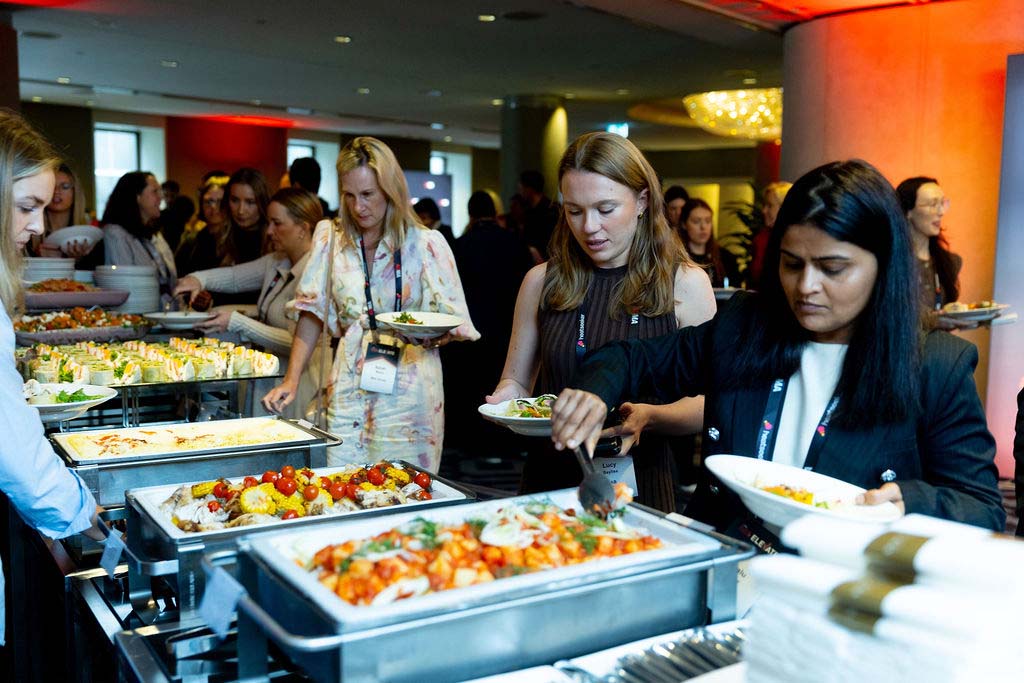
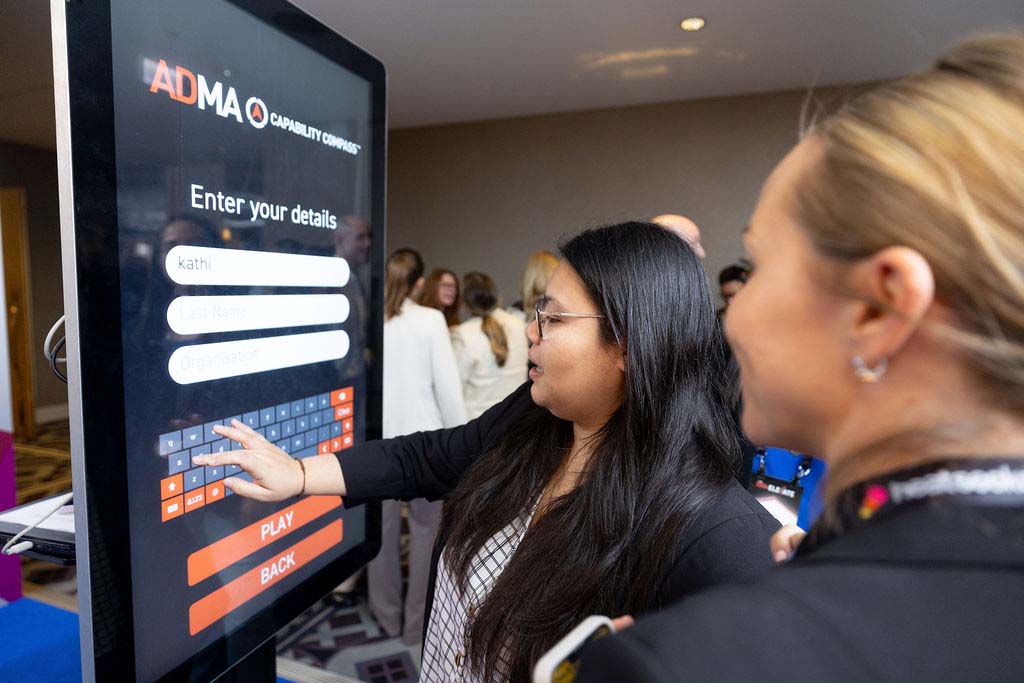
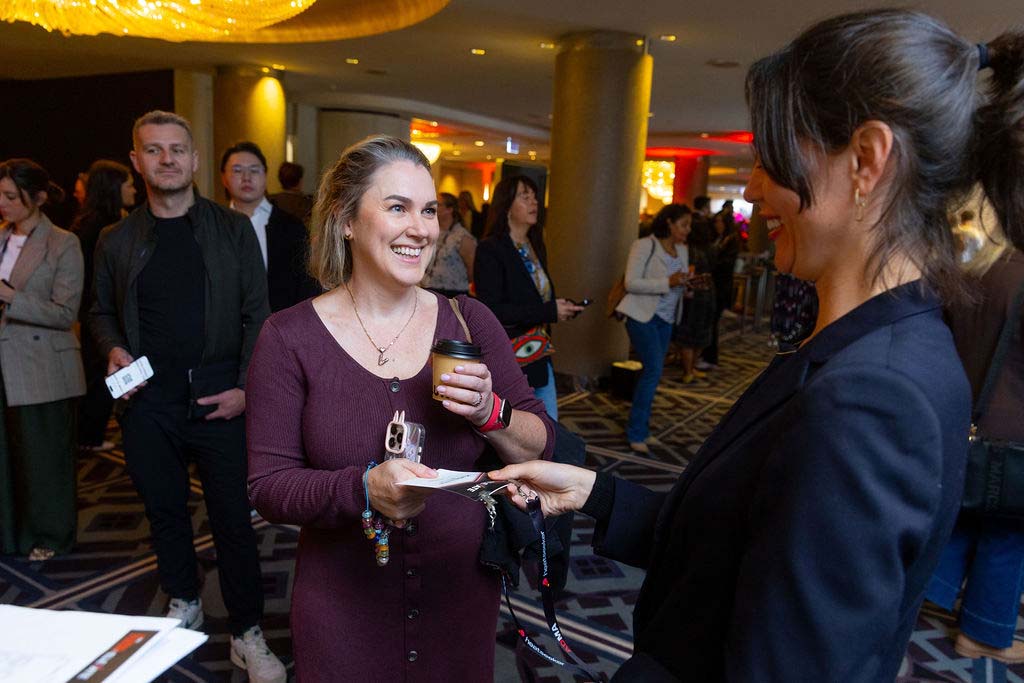
Being Part of Australia’s Most Influential Marketing Forum: ADMA Global Forum 2025 Success Story

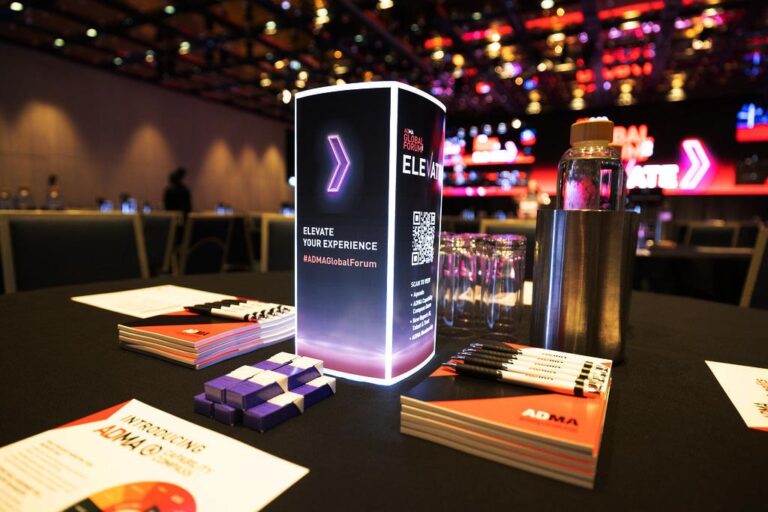
For the second year running, Best Case Scenario was invited by the Association for Data-Driven Marketing and Advertising (ADMA) to help them deliver the 2025 Global Forum – Australia’s premier B2B marketing conference.

Through comprehensive event management and strategic collaboration, we successfully worked together to create a transformative industry gathering that addressed critical challenges including AI implementation, capability development, and regulatory compliance. The result was a day that shaped the future of marketing leadership across Australia.

Key Results at a Glance:
  • 1,000+ marketing professionals engaged across multiple touchpoints
  • Flawless coordination of 17 high-profile speakers including international thought leaders
  • Comprehensive speaker preparation program ensuring consistent messaging and delivery excellence
  • Premium stage design creating compelling visual atmosphere with sustainable material practices
  • Advanced production value, creating a broadcast-quality experience for both in-person and virtual audiences
  • Zero operational issues across 11 service delivery areas
  • Industry-defining conversations on AI, regulation, and capability development

Delivering Strategic Industry Transformation

ADMA approached Best Case Scenario to support their flagship Global Forum 2025 – an event positioned as the marketing industry’s most critical annual gathering. The scope extended far beyond traditional event management; this was about creating the platform where Australia’s marketing leaders would navigate three transformative forces reshaping the profession:

The 2025 Forum required sophisticated coordination across multiple dimensions:

  • High-profile speaker management including international thought leaders
  • Sponsor experience delivery for Principal Partner Nine and supporting sponsors Google, Heatseeker, and Meta
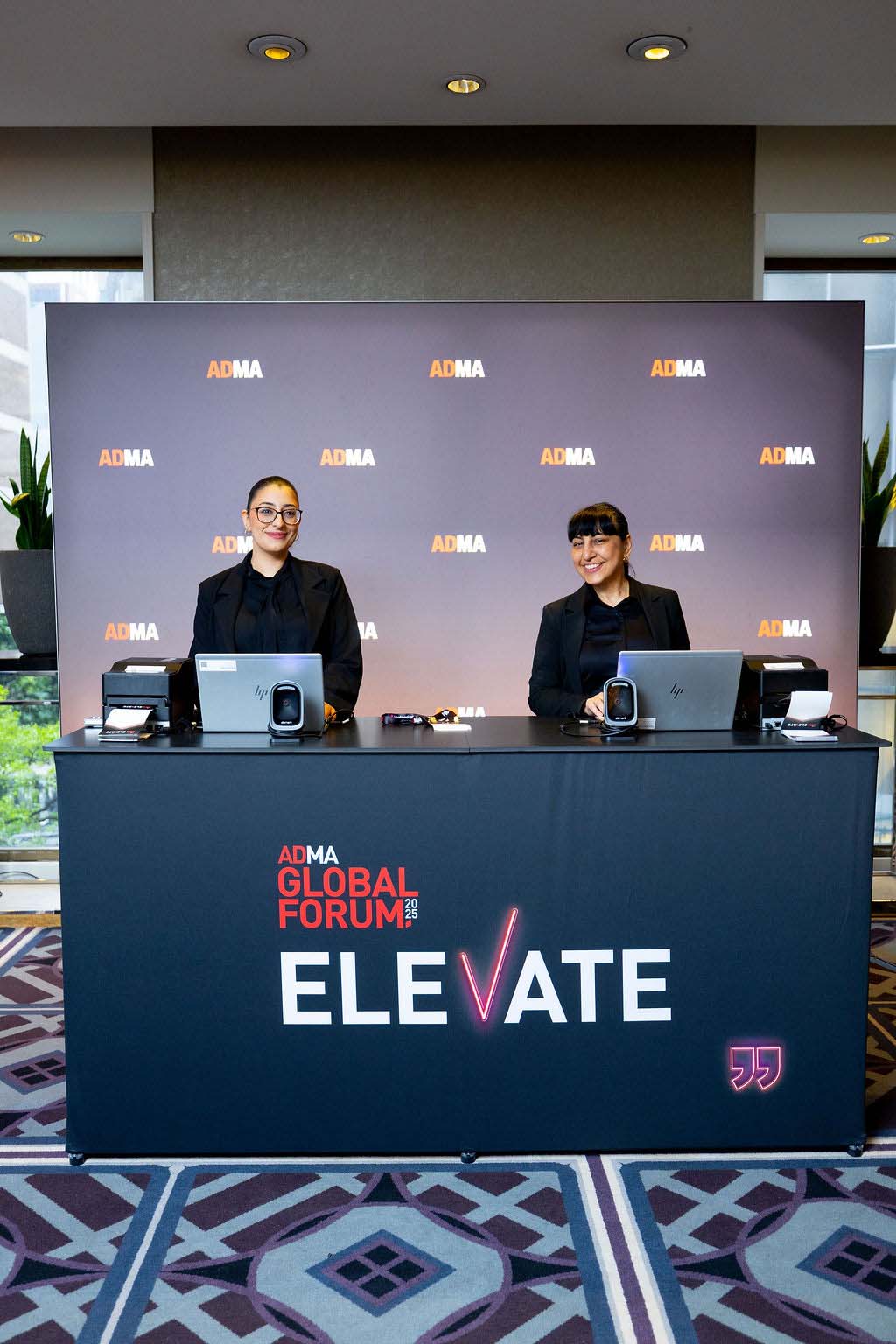
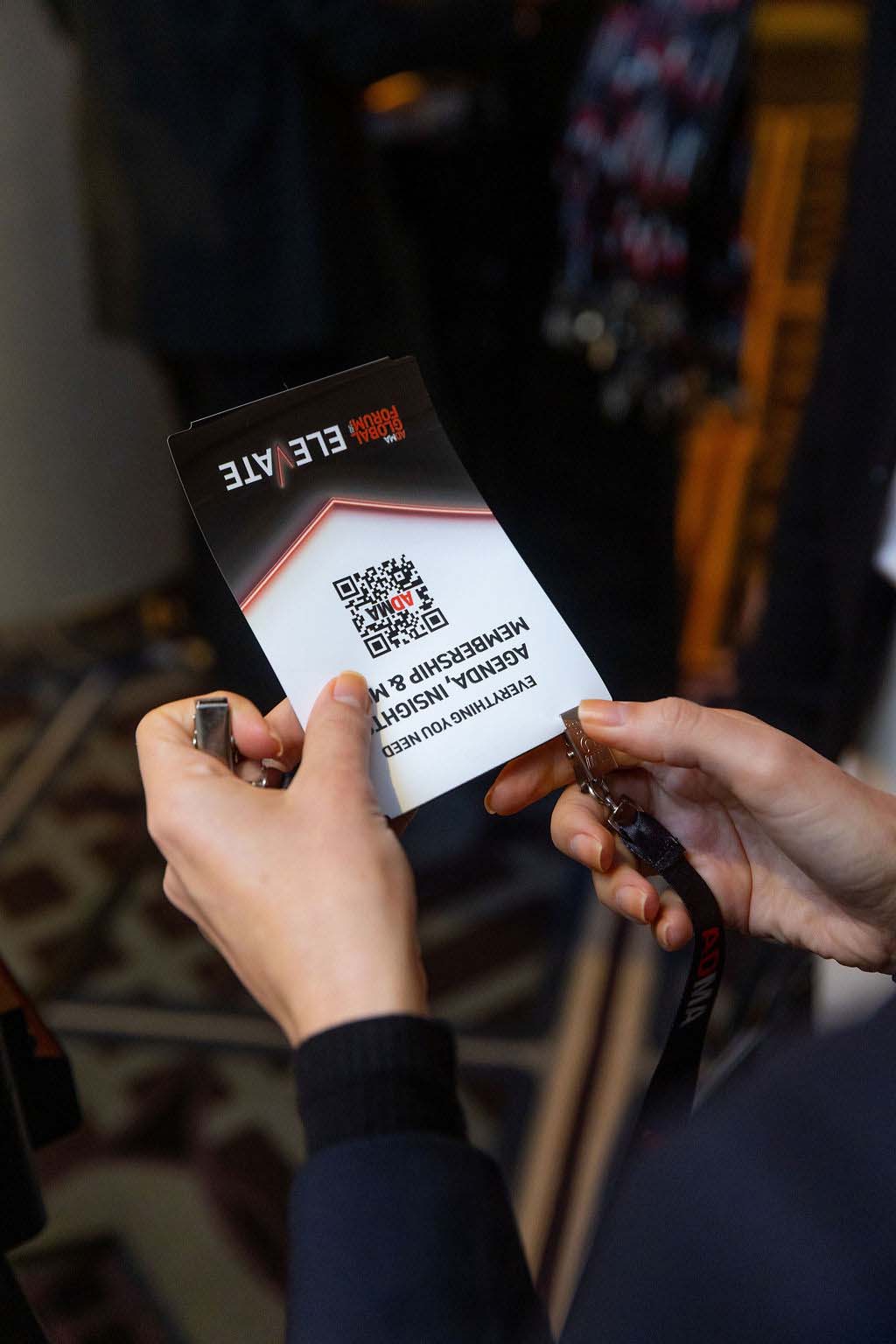
  • Registration and ticketing systems supporting multiple access pathways
  • Ensuring the brand was presented with impact and production management
  • Hybrid event technology ensuring seamless virtual participation

Best Case Scenario’s Strategic Approach: Partnership-Driven Excellence

Comprehensive Service Delivery Framework

Our collaboration with ADMA encompassed complete end-to-end event management across 11 critical service areas:

Strategic Planning & Management:

  • Budget management for suppliers and venue including administration services
  • Forum programming support in collaboration with ADMA’s strategic vision
  • Ticketing pathways and scheduling coordination

Brand & Digital Experience:

  • Registration site recommendation and setup
  • On-site brand and marketing communication aligned with ADMA’s “Elevate” positioning and existing brand
  • Digital platform management for hybrid participation

Stakeholder Management:

  • Sponsor management for major industry partners
  • Speaker management for 17 industry leaders including Tom Goodwin, Holly Ransom, and Dr Kellie Nuttall
  • Supplier management across all operational areas
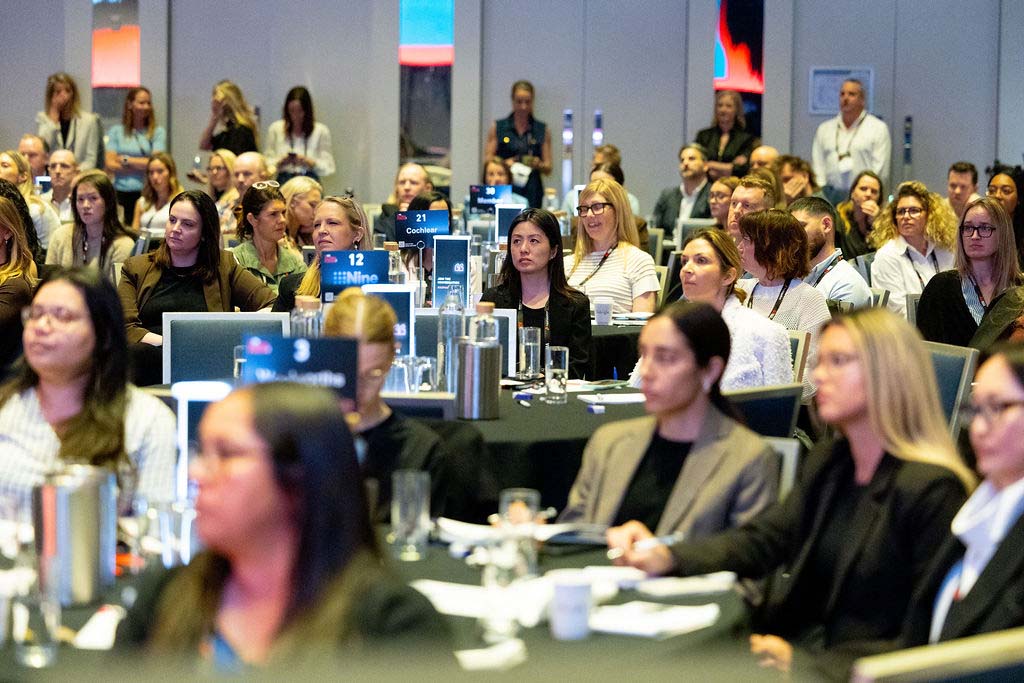
Table arrangement

Production & Experience Design:

  • Production and AV management ensuring flawless technical delivery
  • Event management covering all logistical elements
  • Entertainment management enhancing networking and engagement

Why Best Case Scenario Champions Innovation-Driven Events

At Best Case Scenario, we’re passionate about supporting events that create meaningful engagement at the intersection of innovation, technology, and marketing. Our partnership with ADMA exemplifies this commitment through several key principles:

Circular Economy Events Leadership: We believe responsible event management extends beyond the event day itself. Our partnership with local companies to repurpose stage backdrop materials into mattresses demonstrates our commitment to circular economy principles. This approach aligns with forward-thinking organisations like ADMA who understand that sustainability and innovation must work hand-in-hand to create meaningful industry transformation.

Strategic Purpose Over Scale: We believe the most impactful events are those that address genuine industry transformation challenges, not just networking opportunities.

Technology as Enhancement: Our approach integrates technology to amplify human connection and strategic thinking, rather than replacing authentic engagement.

Capability Development Focus: We actively support events that build industry capability, particularly in emerging areas like AI implementation and digital transformation.

Community Building: Our operational excellence creates the foundation for meaningful professional relationships that extend far beyond event day.

The ADMA Global Forum partnership demonstrates how Best Case Scenario transforms complex industry challenges into seamless, impactful experiences that drive genuine business outcomes.

Ready For Us to Shape Your Next B2B Event?

The ADMA Global Forum 2025 success story illustrates Best Case Scenario’s unique capability to manage high-stakes industry events where strategic thinking, operational excellence, and meaningful engagement converge.

For business leaders and associations seeking an event management partner who understands the intersection of technology, innovation, and marketing leadership, Best Case Scenario delivers the strategic collaboration and operational excellence required for truly transformative industry gatherings.

Contact us today to discuss how we can help bring your industry transformation vision to life.

BCS 2025 Event Services

Unlock Tailored Event Solutions for 2025

Planning your events for 2025? At Best Case Scenario, we understand that each event is unique, and we’re here to help you bring your vision to life. Our A La Carte Event Services offer flexible, customised solutions that align perfectly with your goals, whether it’s brand awareness, or client engagement.

Categories
News

Partnering with Purpose: BCS Supports the AWSN Summit 2025

Partnering with Purpose: BCS Supports the AWSN Summit 2025

We’re thrilled to announce that Best Case Scenario will support the Australian Women in Security Network (AWSN) Summit 2025 – and we couldn’t be more excited about this partnership.

Taking place on Friday, 1 August at 242 Exhibition Street, Melbourne, the AWSN Summit 2025 brings together professionals and women in leadership from across the security spectrum under the powerful theme: “Unlocking Potential: A Roadmap to Accelerating Women’s Impact in Security.”

A Natural Partnership

This collaboration feels like a perfect fit for BCS. Having worked extensively with TechDiversity on initiatives that champion inclusion and representation in Australia’s tech workforce, we understand the unique challenges and incredible opportunities that come with creating spaces where underrepresented voices can thrive.

The AWSN Summit’s dual focus – morning sessions on “Own Your Path” covering personal development and career growth, and afternoon sessions on “Pave the Way” addressing inclusive workplace culture – mirrors our own commitment to both individual empowerment and systemic change.

Why This Matters

The cybersecurity industry faces a critical skills shortage, and research consistently shows that diverse teams deliver better security outcomes. Yet women remain significantly underrepresented in security roles. Events like the AWSN Summit don’t just talk about change – they actively create the conditions for it.

With speakers including Australia’s National Cyber Security Coordinator and senior leaders from organisations like the Australian Signals Directorate and Telstra, this isn’t just networking. It’s nation-building work that strengthens Australia’s cybersecurity capability by ensuring we’re drawing on the full spectrum of talent available.

Our Role in the Vision

As event partners, we’re bringing our full expertise across every aspect of the Summit to ensure seamless delivery. Our comprehensive scope includes:

End-to-End Event Management: From initial project planning and timeline creation through to on-site coordination and post-event wrap-up, we’re managing the entire event lifecycle with weekly client updates and detailed runsheets.

  • Venue & Production Excellence
  • Speaker & Sponsor Support
  • Seamless Registration Experience

We’re here to handle every operational detail so AWSN can focus entirely on delivering the transformational content and experiences their community deserves.

Our Director, Luli Adeyemo, captured it perfectly: “Our team are honoured to support the AWSN Summit, an event that aligns perfectly with our mission to deliver purpose-driven, inclusive events. We understand the importance of this moment for AWSN, and we’ll bring our full expertise to ensure its success.”

Looking Ahead

The AWSN Summit represents exactly the kind of future-focused thinking the industry needs. By creating pathways for women to “own their path” whilst simultaneously working to “pave the way” for systemic change, AWSN is tackling the challenge from multiple angles.

We’re proud to be part of this important work and can’t wait to see the connections, insights, and momentum that emerge from  the summit. The security sector’s future depends on events like this – and we’re honoured to help make it happen.

Ready to create your own purpose-driven event? contact us to discuss how we can bring your vision to life, just fill in the form below.

BCS 2025 Event Services

Unlock Tailored Event Solutions for 2025

Planning your events for 2025? At Best Case Scenario, we understand that each event is unique, and we’re here to help you bring your vision to life. Our A La Carte Event Services offer flexible, customised solutions that align perfectly with your goals, whether it’s brand awareness, or client engagement.

Categories
News

Business to Business Event Content Strategy

Anatomy of a B2B Community-Driven Event Campaign

A successful B2B community-centric event campaign unfolds in defined stages—each an opportunity to build trust, demonstrate value, and transform one-off interactions into enduring relationships. Here’s how to structure your campaign and use targeted content, including where case studies and testimonials can have maximum impact. Want to streamline your process? Follow our steps below. 

1. Pre-Event: Building Anticipation and Trust

  • Define clear goals tightly aligned with your business objectives—whether you measure by qualified leads, engagement, or strategic partnerships.

  • Content to deploy:

    • Thought leadership piecesindustry trend blogs, and explainer videos raise awareness and establish authority.

    • Early testimonials from past attendees reinforce perceived value.

    • Case studies showcase ROI for previous sponsors or participants at this point to win the interest of decision-makers.

  • Channels: Branded email marketing, social media teasers, website landing pages, and targeted advertising all drive registrations and guide visitors to a central event hub.

  • CTA: Download our pre-event content plan template to see exactly when and how to integrate impactful case studies and testimonials.

2. During the Event: Immersion and Engagement

  • Deliver immersive experiences that foster genuine connections, such as workshops, panels, or networking lounges.

  • Content to deploy:

    • Live-bloggingreal-time social updates, and video snippets encourage participation and broader reach.

    • Customer stories and product demos provide relevance and spark discussions.

    • Attendee testimonials captured in real-time can be instantly published to amplify excitement.

  • CTA: Request our live event storytelling blueprint for step-by-step ideas on capturing testimonials and amplifying your message in real time.

3. Post-Event: Sustaining the Community

  • Nurture ongoing relationships beyond the event through targeted follow-up and value-driven content.

  • Content to deploy:

    • In-depth case studies break down event outcomes for both sponsors and attendees.

    • Video testimonials and long-form interviews, delivered via email or shared in post-event webinars, reinforce key messages and encourage continued engagement.

    • Interactive follow-up (polls, surveys) to gather feedback and inform future events.

  • CTA: Grab our post-event content schedule to learn when to send testimonials and case studies to keep the community active and convert interest into long-term opportunity.

4. Embedded in a Larger Campaign: Continuous Value Creation

  • Sync your event with your broader content and inbound marketing plan for sustained impact and growth.

  • Content to deploy:

    • Monthly newslettersindustry insights, and community spotlights to keep connections warm.

    • Regular success stories and testimonial campaigns to transform satisfied clients into advocates.

  • CTA: Ask for our full event content integration plan to see where your team can plug in each content asset for optimal effect—or leave it to us to create and manage the schedule for you.

Ready to transform your next event into a catalyst for lasting business community? At each delegate decision point, request a copy of our event content plan— Request a copy of our plan. 

BCS 2025 Event Services

Unlock Tailored Event Solutions for 2025

Planning your events for 2025? At Best Case Scenario, we understand that each event is unique, and we’re here to help you bring your vision to life. Our A La Carte Event Services offer flexible, customised solutions that align perfectly with your goals, whether it’s brand awareness, or client engagement.

Categories
News

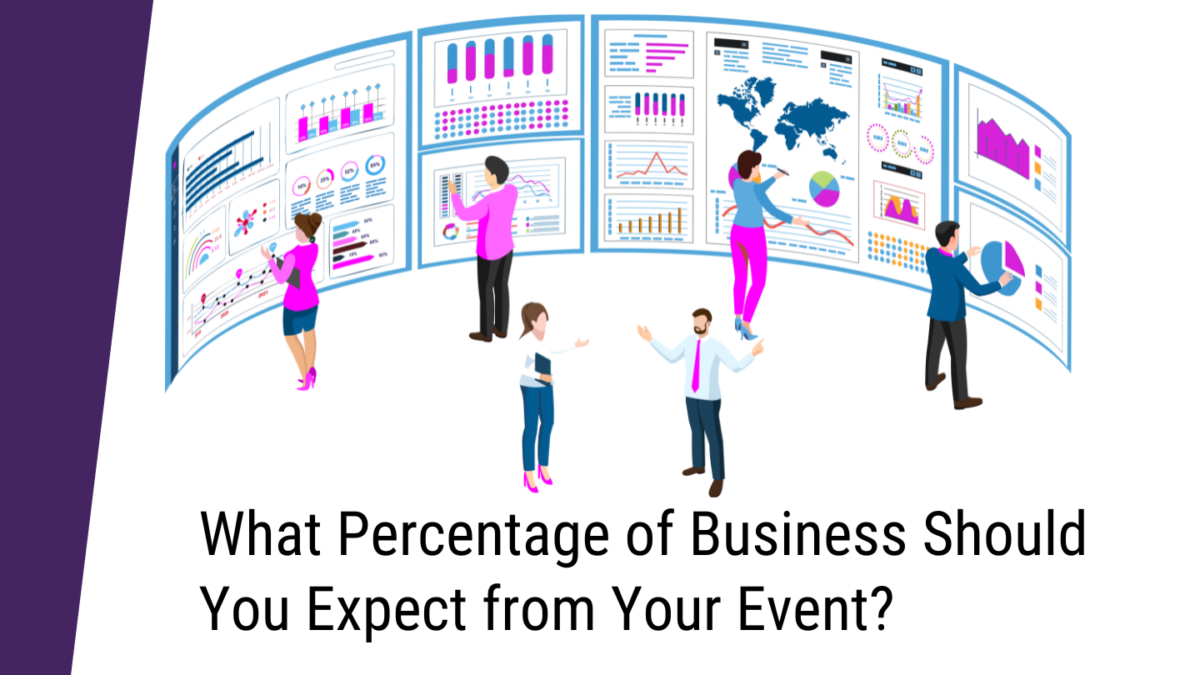
What Percentage of Business Should You Expect from Your Event?


By Jen Murray, Marketing Consultant, Best Case Scenario

One of the most common questions we get from our B2B tech clients is: “What percentage of business should we realistically expect from hosting an event?”

It’s a fair question. You’re investing significant budget, time, and resources into creating an experience that drives results. You need to know what success looks like.  

The Reality Check: Understanding Your Conversion Funnel

Let’s start with a scenario many of our clients face: you’re hosting an event with 450 attendees. What can you realistically expect?

The answer depends on which conversion metric you’re measuring, and understanding these different stages is crucial for setting proper expectations and measuring true ROI.

  • Eyeball to Demo Rate: Your First Success Metric
    For in-person B2B tech events, particularly those with physical product demonstrations, the Eyeball to Demo Rate is your most immediate indicator of engagement quality.
    This measures the percentage of attendees who request a demo or express strong interest in your product during the event (Source: Event Marketing Institute B2B Conversion Study, 2024).

    Real-world example: From 450 total attendees, if 200 match your ideal customer profile and 50 request demos, you’re achieving a 25% qualified attendee conversion rate—which is excellent.

    This metric is particularly valuable for our clients who invest in on-site demonstrations, interactive product showcases, or immersive experience zones. It’s immediate feedback on whether your event experience is compelling enough to drive action.

  • From Attendee to Sales Qualified Lead
    For virtual events like webinars, the conversion rates shift.  Attendee-to-SQL (Sales Qualified Lead) conversion rates of 2-3% (Source: B2B Event Marketing Research, 2024). For example, a 600-attendee virtual event generating 15 SQLs represents a 2.5% conversion rate that aligns with industry benchmarks.

    Why the difference between virtual and in-person? – 
    In-person events create deeper engagement. Attendees invest time to travel, they’re more committed, and the immersive experience facilitates better qualification conversations. Virtual events cast a wider net but with lighter commitment levels.

  • The Ultimate Metric: Event to Closed Deals – Here’s where expectations need to be realistic. The percentage of event attendees who ultimately become customers is much lower than many organisations expect.  Industry reality: Direct event-to-customer conversion rates typically range from 1-3% for closed deals (Source: HubSpot B2B Event Marketing Report, 2024).  This might seem low, but remember—B2B sales cycles are long and involve multiple touchpoints. Your event is rarely the only factor in a purchase decision, but it’s often the catalyst that starts meaningful conversations.

Beyond the Numbers: What Really Drives Event ROI
While these benchmarks are helpful, we’ve learned that successful events do much more than generate immediate leads.

  • Build Brand Authority: Position your organisation as a thought leader in your space
  • Accelerate Existing Pipelines: Nurture prospects already in your sales funnel
  • Create Strategic Partnerships: Open doors to collaboration opportunities
  • Generate Content Assets: Fuel your marketing efforts for months afterward

Maximising Your Event Conversion Rates
Based on our experience across hundreds of events, here are the factors that consistently drive higher conversion rates:

  • Laser-Focused Targeting
    Events with tightly defined ideal customer profiles always outperform those trying to appeal to everyone. 
  • Interactive Experience Design
    Static presentations don’t drive action. Hands-on demonstrations, workshop formats, and collaborative sessions consistently generate higher engagement and conversion rates.
  • Strategic Follow-Up Systems
    The most successful events have robust follow-up processes planned before the event even begins. 
  • Integration with Broader Marketing Strategy
    Events shouldn’t exist in isolation. The highest-converting events are integrated with ongoing content marketing, sales outreach, and partnership development efforts.

 The real value lies in the relationships built, pipelines accelerated, and market positioning enhanced.

As we always tell our clients: measure the immediate metrics, but don’t underestimate the long-term impact of bringing the right people together for meaningful conversations.

Planning Your Next Event?
If you’re planning an event and want to discuss realistic ROI expectations for your specific situation, we would be happy to share insights from similar events in your sector.

Every industry and audience is different, and understanding those nuances can make the difference between an event that meets expectations and one that exceeds them.

Reach out to us today.

BCS 2025 Event Services

Unlock Tailored Event Solutions for 2025

Planning your events for 2025? At Best Case Scenario, we understand that each event is unique, and we’re here to help you bring your vision to life. Our A La Carte Event Services offer flexible, customised solutions that align perfectly with your goals, whether it’s brand awareness, or client engagement.